Our Story

A Legacy Within Wine. 

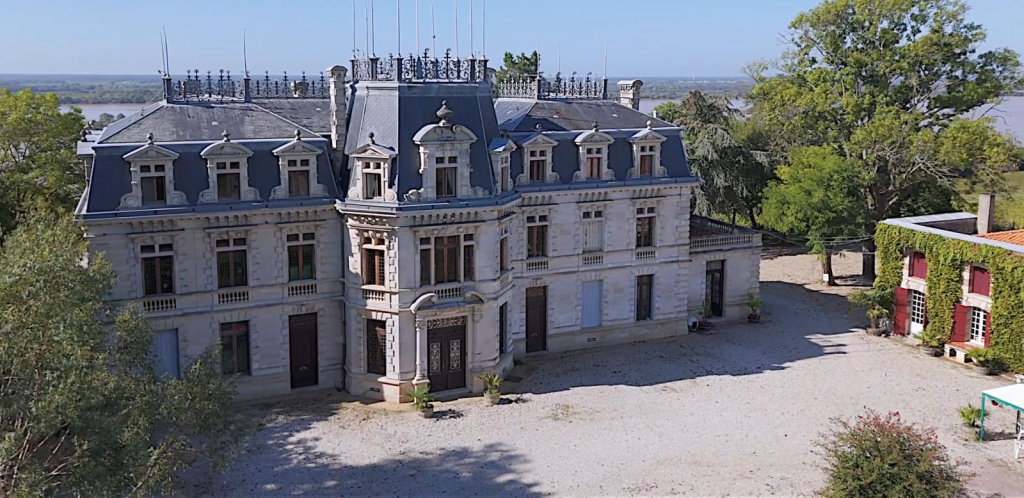
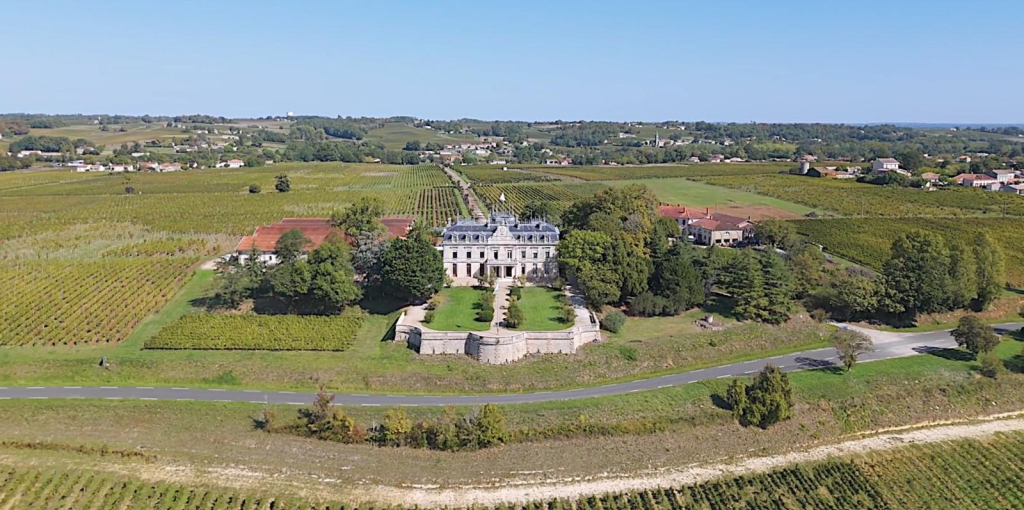
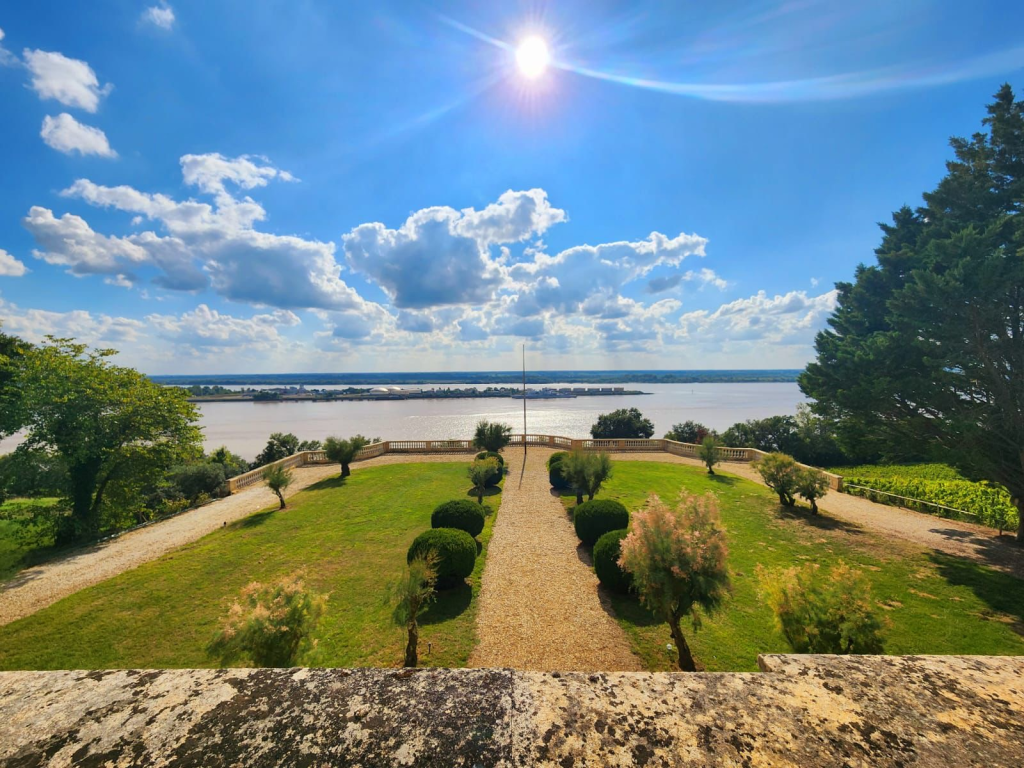
Château Tayac, founded in the 13th century overlooking the Dordogne and Garonne, has endured war, Renaissance rebuilding, and the French Revolution. Since 1913 it has housed the Musée national de Préhistoire, standing today as a symbol of heritage and the legacy of the Côtes de Bourg.
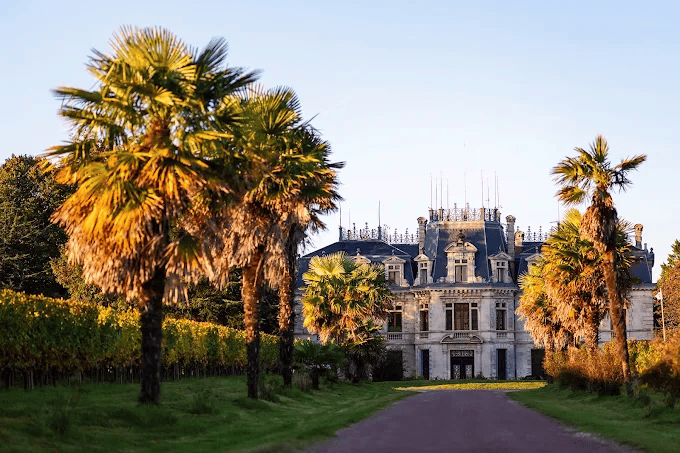
1200's

The first fortress at Tayac, known as the Roc de Tayac, was established in the 13th century. Strategically placed above the Vézère Valley, it served as a defensive stronghold for the region.

1300's

During the Hundred Years’ War, the castle changed hands multiple times between English and French forces. Local legend associates Edward the Black Prince with Tayac, though there is no firm evidence he resided here. The era marked centuries of conflict and shifting allegiances in the region.

1500's (1578-1585)

Jean Guy de Beynac, lord of Tayac, rebuilt the fortress into a Renaissance château. His work gave Tayac much of the architectural identity that still defines it today.

1600's

In the early 17th century, following Jean Guy de Beynac’s involvement in a conspiracy, the château was ordered partially demolished. Stripped of its military importance, Tayac gradually fell into disrepair.

1700's (1789)

The French Revolution brought sweeping change. Like many noble estates, Château Tayac was seized as national property and removed from aristocratic ownership.

1900's

1913 – The French State purchased Château Tayac and repurposed it as the home of the Musée national de Préhistoire.

1960s–70s – Major extensions were built to accommodate the museum’s growing archaeological collections, reinforcing Tayac’s place as a center for cultural heritage.

2000's (2004)

A bold new extension, designed by architect Jean-Pierre Buffi, integrated the château’s remains with modern museum facilities. This renovation secured Château Tayac’s dual role as both a historic monument and a leading museum of prehistory.

2025

The Kahana family acquired the property with a straightforward mission: bring new energy to a historic estate and expand its presence far beyond its borders. After taking ownership, they began refreshing the brand, modernizing its presentation while preserving the estate’s traditional identity. Their first major step is opening access to new markets, beginning with the United States, where the château’s wines will finally be available to a wider audience.